

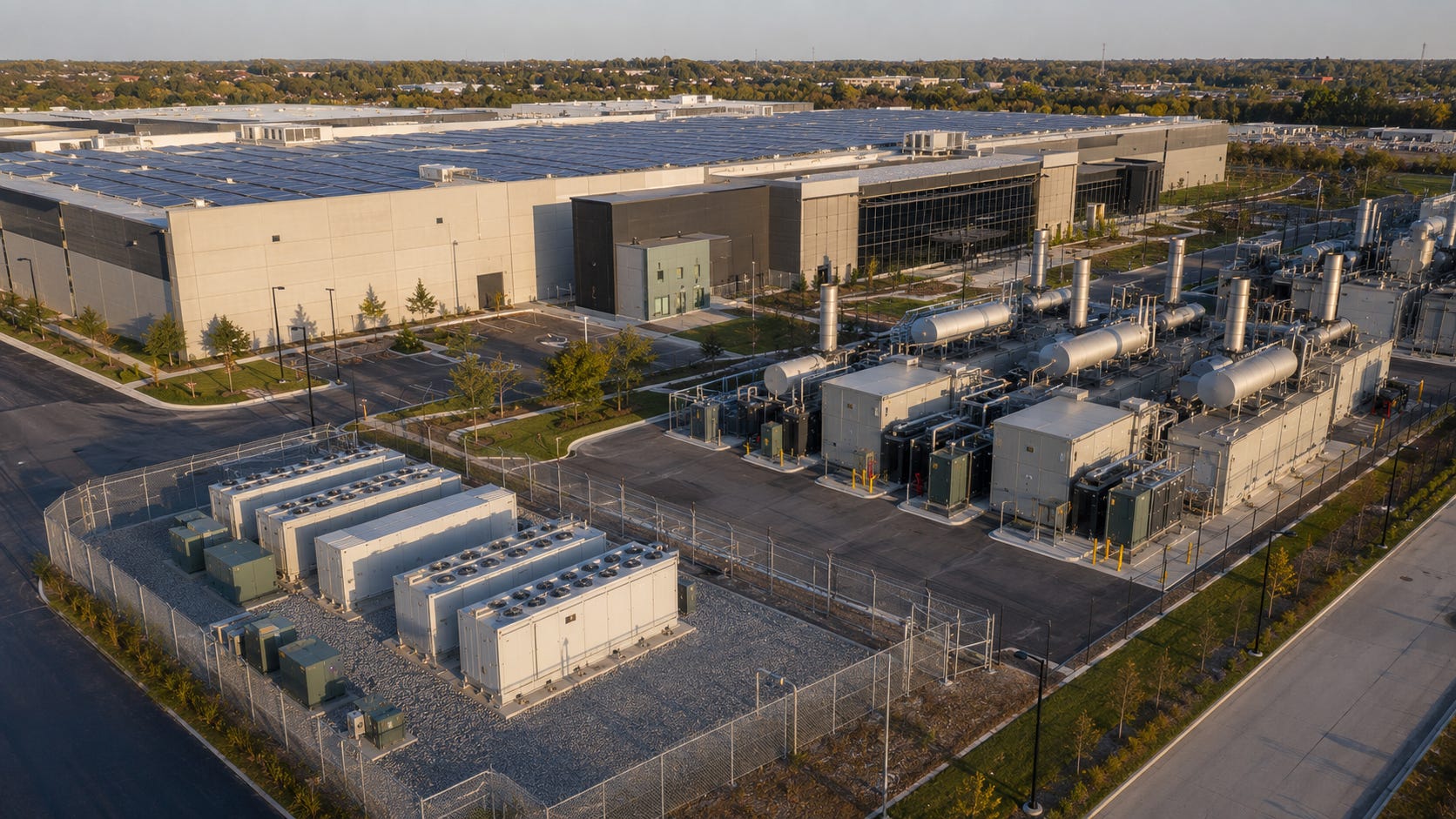
A fair challenge keeps coming back to me about the Structured Transition Model (STM): the individual pieces, onsite gas generation, combined heat and power (CHP), microgrids, grid import, storage, aren’t new. Industrial and utility power has been sequencing these technologies for decades. So where’s the actual contribution? It’s in the order, not the parts.
A power asset built today runs for decades. Over that life it will see multiple changes of federal and state government, and each one can shift the economics: incentives appear and expire, carbon rules tighten and loosen. The sequence a developer commits to on day one decides how well the asset absorbs those swings, or whether it gets stranded by them. Most buyers are shown a configuration for today. They’re rarely shown how that configuration ages.
This gap exists because two markets haven’t met yet. Utility and industrial power has treated this sequencing as routine work for years. Data center developers are now arriving at the same decisions from a different direction, at a different speed, and largely in a different room. Today, data center development optimizes for two things: reliability (the “five nines” standard of 99.999 percent uptime) and speed-to-power (how fast a site can be energized). Decarbonization gets treated as a later problem, which means the sequence chosen at the start can turn grid constraints and policy shifts into a trap rather than a plan, usually after the site is already built.
I’ve been in this specific conversation, data center power as the binding constraint, since 2016, well before it became a consensus industry topic. That tenure is what STM is built on: not a claim to have invented the underlying tools, but a framework for applying a known order to a market that hasn’t been handed one yet.
So the honest answer to “what’s new” is: the components aren’t. The order, applied to data center power, for a buyer facing decisions that will outlast several policy cycles, is where the value sits.
The full piece, including the case for why this hasn’t already been done, is on [alexmarshallenergy.com].