

Fewer than one in ten data centers in Texas had complied with a state law requiring them to report how much power and water they use.
That fact, more than any poll or protest, is what made this month’s intervention possible.
On August 3 the Governor of Texas wrote to the state’s utility regulator and to the operator of its grid, instructing them to audit every data center moving through the connection process before any further project advances. Projects that fail are to be refused connection. Eleven days later, officials put a number on the scope: roughly 250 to 300 projects, representing about 200 gigawatts of future demand. For scale, that is more than twice the largest amount of electricity the Texas grid has ever delivered at one time.
Most of the coverage has read this as a response to public anger. I think that misreads the mechanism, and the difference matters to anyone underwriting these projects.
Public anger is real and it is increasing. But anger is not a legal instrument. It cannot pause a connection queue. What paused the queue was a reporting obligation the sector had largely ignored, and a table showing who had ignored it. The state did not need to win an argument about whether data centers are good for Texas. It needed a compliance rate.
That is a far more durable basis for action than public mood, because compliance data does not decay with the news cycle.
The part that should worry developers more
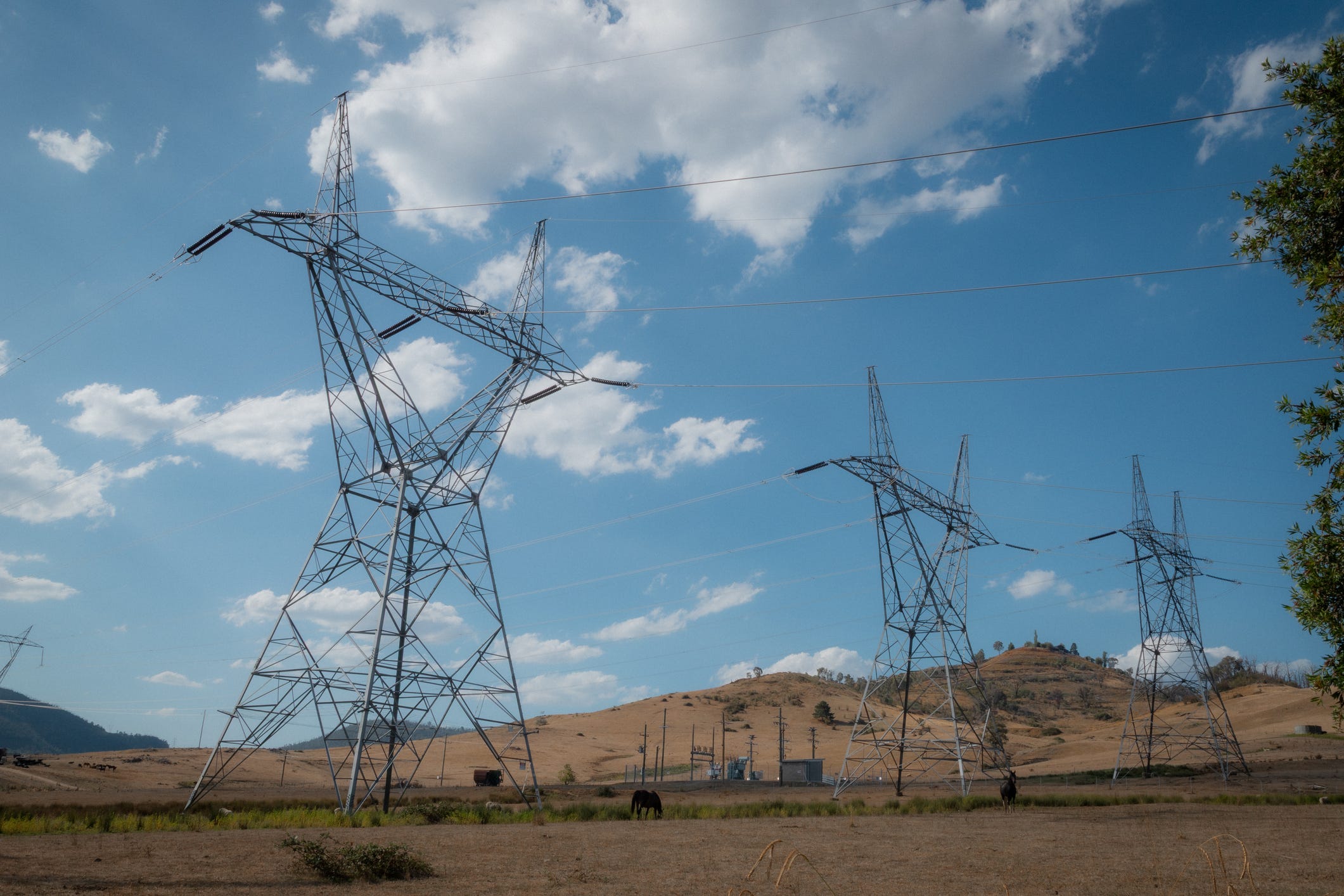
Texas is building three ultra-high-voltage import corridors into the Permian Basin. They are driven substantially by the electrification of oil and gas operations, with regional demand projected toward roughly 26 gigawatts by 2038. Grid officials have testified that without them the region faces rolling blackouts as early as next summer.
Data centers did not cause that plan. They are now, in part, blocking it.
After a fifteen-hour hearing in late July dominated by landowner testimony, the Lieutenant Governor called on the regulator to refuse the certificates those lines require until the legislature has revised the approval process. Opposition generated by one class of infrastructure has attached itself to another that the state needs regardless.
That is the thing worth noticing. Not that the sector is unpopular. That its unpopularity has become transferable.
What I think this changes
A connection date used to be an engineering output. Queue position, study cycles, transformer lead times. All of it modellable with reasonable confidence.
In Texas today, a connection date is a function of an audit with no completion deadline, a rulemaking due to conclude in December, and a legislature that convenes in January. None of those are engineering variables, and none of them respond to paying more.
Anyone still building a Texas schedule from queue mechanics is pricing the wrong distribution.
There is a reasonable case against reading it this way, and it deserves a proper answer rather than a dismissal. I have set out both the argument and the objection in full on my own site.
Read the full piece: Texas Turned Public Opposition Into Procedure
Five Nines and Fast Power - Making Better Decisions in AI Energy Investments - Read the Book